Date:
Happy Monday, everyone! Today's fish of the day is the freshwater plesiosaur! Reminder: High school seniors, if you wish to receive fish emails past graduation, you must send me an update email!
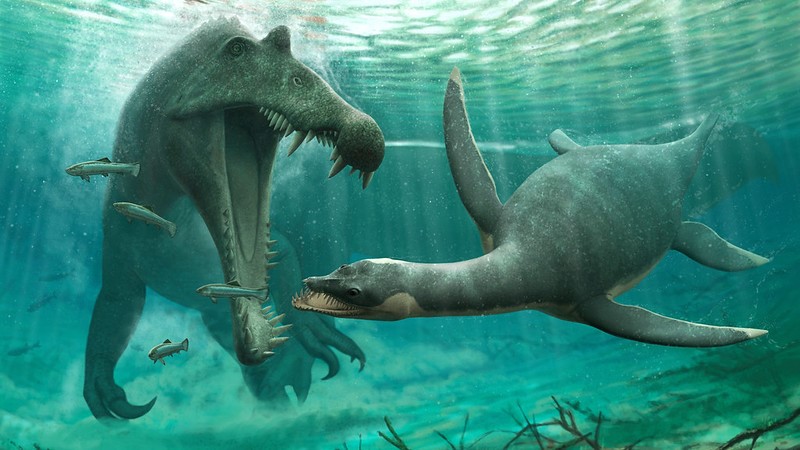
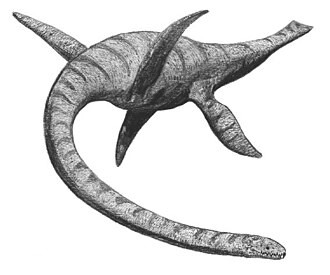
The freshwater plesiosaur was requested by Ariah, thank you Ariah, I apologize for missing your birthday! Plesiosaurus as a marine reptile, well known for their prowess as apex predators, but freshwater plesiosaurs are a relatively new idea. Based on the finding of a couple of fossils in what is now Morocco's Sahra desert river system, specifically an area called the Kem Kem beds. These fossils are scattered, showing us that this is not just the bones of one animal but a group of freshwater plesiosaurs that lived in the area, at least a dozen of them. The finding of many teeth in particular shows that these animals didn't just swim in from the ocean temporarily, but lived in the area long enough to shed teeth. This has led to some theories that the popular cryptid, The Loch Ness Monster, may be a freshwater plesiosaur, although no fossils have been yet found in that area. Although this does not confirm their existence it raises a strong argument for them. However, with limited knowledge about them for the time being, let's go over plesiosaurs in general!
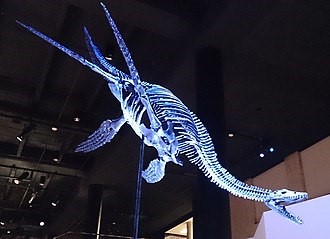
Found and named in the early 1800's the plesiosaur, from order Plesiosauria, is thought to have first appeared in the late Triassic Rhaetian stage, about 203 million years ago. These animals went extinct about 66 million years ago, to the Cretaceous-Paleocene extinction event. How they swam is still up for debate, many favor the theory that they had wide range with each of their fins, and had identical strokes, but other theories are that they may have used only the fore or hind fins for locomotion, or perhaps used them in reciprocal movement. Similar debate exists for how these animals may have dived, although we know they dived for food, as signs of decompression sickness have been found. As apex predators they ate through anything they could get close to, small fish, larger fish, sharks, cetaceans, crustaceans, one another. It is found that although they were certainly near the top of the food chain, some of them were still occasionally prey for large sharks, but mostly they fell to one another, larger plesiosauria hunting smaller. It is thought they evolved to fill the niche left open by the extinction of Ichthyosaurs, which died out in the late Cretaceous, and allowed for diversification to take place in Plesiosauria. Plesiosauria during this era evolved two distinct morphological types: the pliosauromorph build, the Pliosauroidea family, and the plesiosauromorph build, the Plesiosauroidea family.
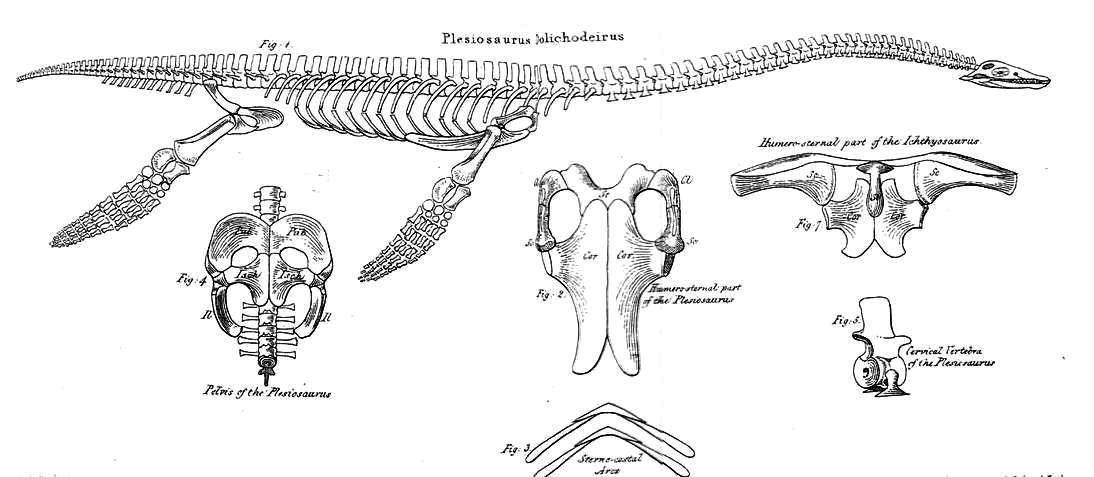
Pliosauroidea is defined by their large heads and short necks, often compared to the build that crocodiles have. They are also known for having larger hind flippers than other plesiosaurs and can be found mostly across South America, and along the equator, although some fossils have been found as far north as Norway. The largest genus found so far, the Liopleurodon, is as large as 6 feet 5 inches, or just a little under 2 meters.
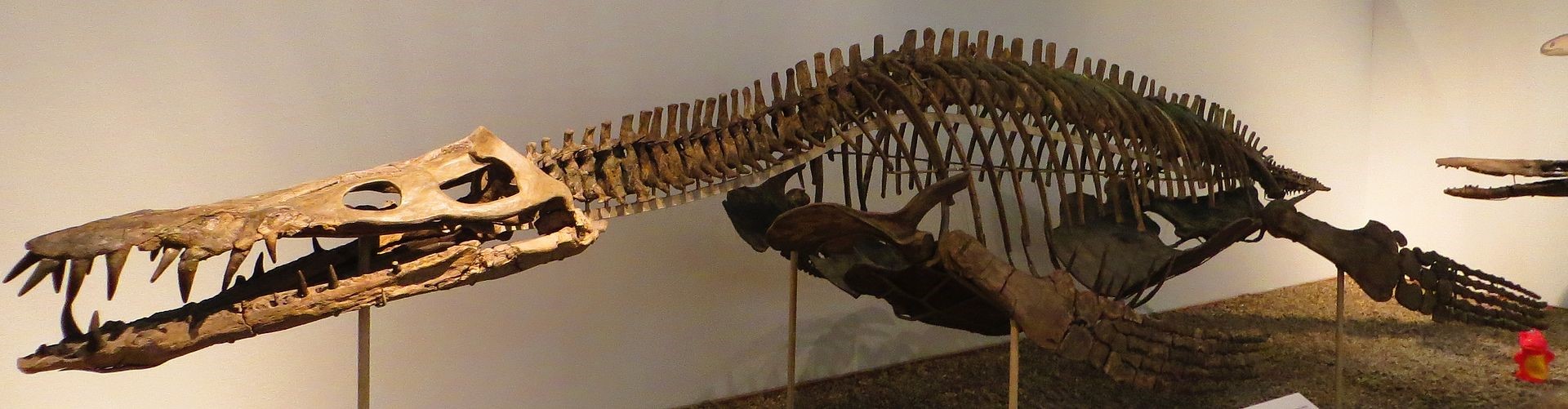
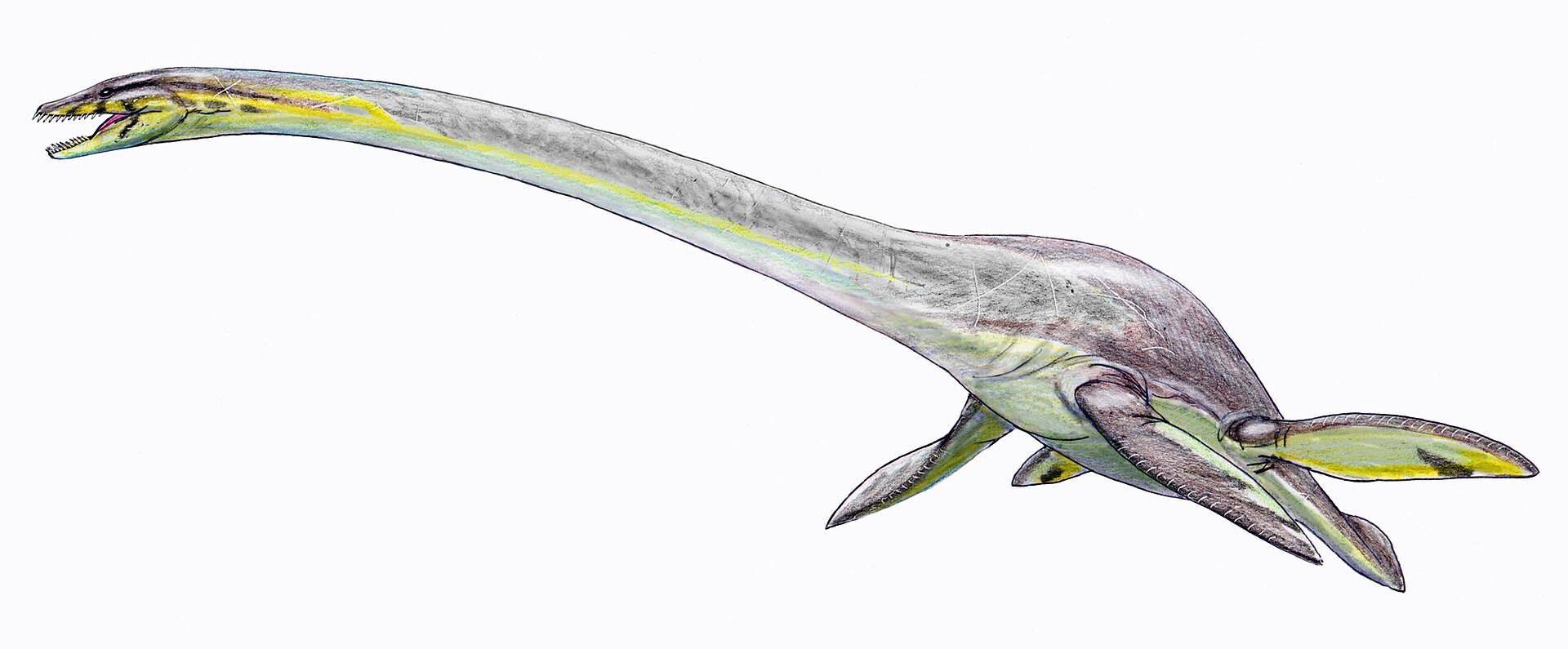
Plesiosauroidea was defined by the long skinny neck, which was used to hunt in small holes, and could move fast to snap up small marine animals nearby them. Although Plesiosauroidae is often depicted as a fast moving predator, it is found that they were likely slow swimmers, pushing their way through the water similar to the swimming methods of turtles, staying close to the surface and using their four limbs for mobility, making it easy to snap at nearby animals. Despite the common displays of them in swan-like positions, with the head raising out of the water, this is unrealistic, as they could not raise their heads up to a degree like that, and the weight of the muscles would prevent them from surfacing. The size difference between differing species was huge, as some could be only as large as 3 meters to 20 meters in length. It is currently thought that the freshwater finds belong to Plesiosauridea.
Everyone have a wonderful Monday, and a good week ahead!